The Federal Deposit Insurance Corp. is launching a two-phase deposit insurance application process, wherein bank organizers who satisfy certain requirements can expect conditional approval within 120 days.
Those organizers can then expect full approval within the next year after they submit additional information and complete other crucial steps, the FDIC announced Monday.
The two-phase process takes effect for applications received after Saturday.
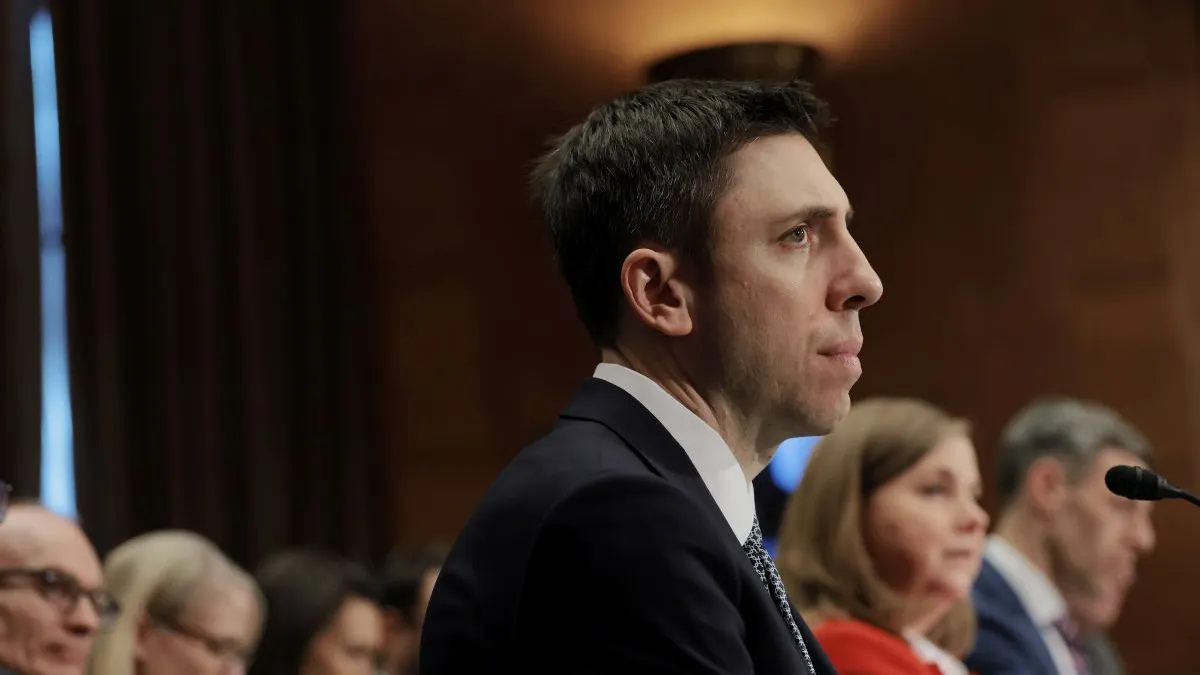
“Improving the de novo process and encouraging more new bank formation has been a key priority for the FDIC,” the agency’s chair, Travis Hill, said in a statement.
Monday’s development “is one of several steps the FDIC has been working on in furtherance of this goal,” Hill added. “A healthy pipeline of new entrants is critical to the long-term vitality of the banking sector, particularly for community banks.”
Indeed, when Hill, in April 2025, addressed what he saw as a dearth of new bank formation, he mentioned “reevaluating the application process” as a cornerstone.
The two-phase system is meant to accelerate the review of applications and make the process more efficient, the FDIC said.
“The two-phase process will provide organizing groups clarity within a few months, before they expend significant time and financial resources on capital raising, staffing, infrastructure development and other start-up activities,” the agency said.
The FDIC plans to coordinate with chartering authorities such as the Office of the Comptroller of the Currency and state agencies “throughout the application process to promote efficiency, avoid duplication and ensure timely action,” it said.
The OCC earlier instituted a conditional approval phase in its application evaluation process.
The FDIC called the two-phase process “generally consistent with the 21st Century ROAD to Housing Act, “which … directs the federal banking agencies to review and streamline the de novo application process.”
The agency said its employees would be available to meet with bank organizers to answer questions at any stage.
In a document outlining the revised process, the FDIC encouraged organizers to meet with agency staff before submitting their application for deposit insurance.
“A pre-filing meeting promotes open communication between the applicant and the FDIC regarding the specifics of the potential application, regulatory expectations, and the application process,” the agency said.
A dedicated FDIC case manager will be assigned during the pre-filing meeting and serve as the organizers’ primary point of contact.
“Throughout the application process, all information, including meeting materials and responses to future information requests, should be provided simultaneously to the FDIC and chartering authority when possible,” the agency said.
The FDIC in June proposed easing the deposit insurance burden for smaller banks. Under the plan, the agency would increase – to $30 billion, from $10 billion – the asset total an institution would need to be subject to the large-bank standard. Small banks’ deposit insurance assessment rates would drop by two basis points, compared with one basis point for large or complex institutions. Altogether, industry assessments would fall by roughly $4 billion per year, the FDIC said.